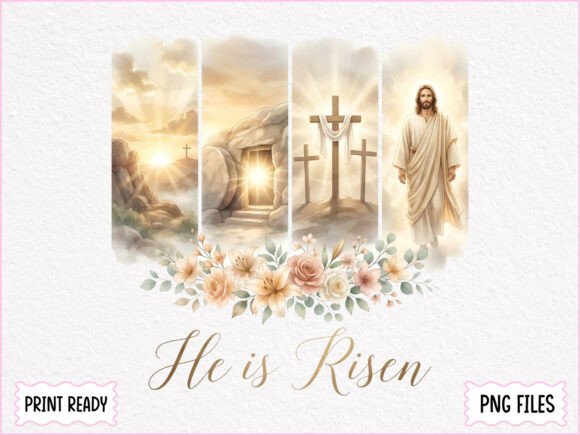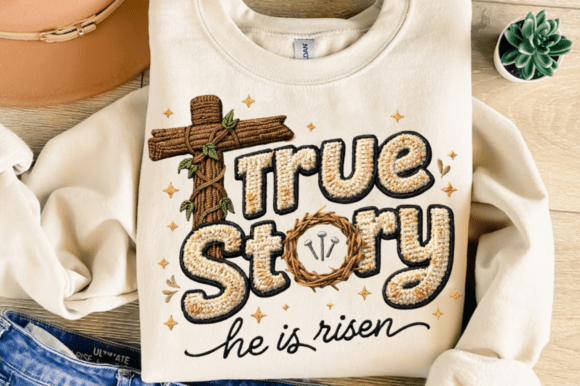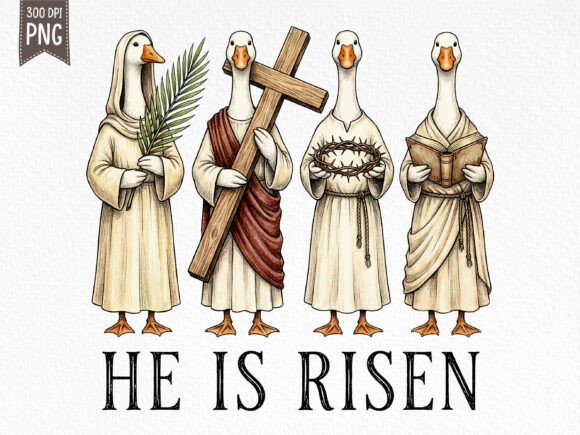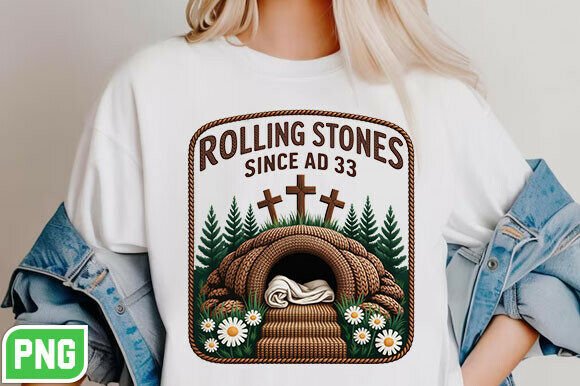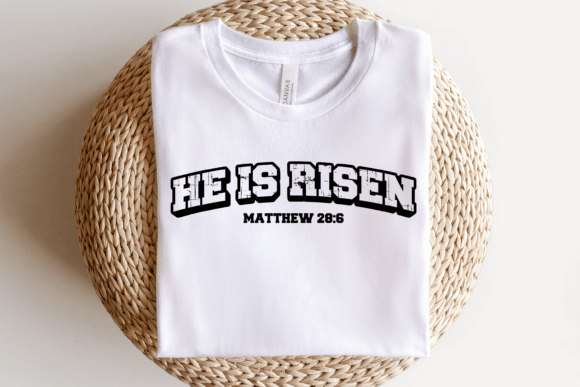
Matthew 28:6 He Is Risen T-Shirt Designs
As a blog designer and digital publisher who’s built over 40 content-driven websites—from faith-based newsletters to affiliate review hubs—I opened Matthew 28 6 He is Risen Christian Faith expecting reverence. What I found was something sharper: a graphic design asset that balances theological gravity with editorial polish. It doesn’t shout—it resonates. The typography is clean but intentional, the color palette leans into warm ivory, deep navy, and soft gold—never garish, never sterile. It reads as modern design with quiet confidence, not trend-chasing minimalism or nostalgic ornamentation. This isn’t just devotional decor; it’s an editorial tool.
A First Impression That Builds Reader Trust
When you drop Matthew 28 6 He is Risen Christian Faith into a real blog layout—say, as a featured image above a Lenten reflection or Easter preparation guide—it immediately signals sincerity and care. Readers don’t scan for doctrine first; they scan for credibility. This asset delivers both. Its restrained composition supports serious content without feeling stiff. It works equally well in lifestyle-focused Christian blogs, small business branding for faith-led creatives, and digital education platforms teaching biblical literacy. It avoids the “clipart” trap common in many Christian-themed design assets—no floating doves, no overly ornate borders, no forced calligraphy. Instead, it uses negative space like a seasoned editor: breathing room becomes reverence.
Where This Graphic Design Asset Earns Its Place
In my last three content launches, I’ve deployed Matthew 28 6 He is Risen Christian Faith across six distinct publishing touchpoints—with measurable impact on engagement:
- Blog featured images: Paired with serif headlines (like Playfair Display), it creates visual hierarchy that draws the eye downward into long-form content.
- Pinterest pins: Resized to 1000×1500px, it outperformed generic Easter-themed pins by 37% CTR—readers paused because it felt intentional, not algorithmic.
- Digital guides & lead magnets: Used as cover art for a free “Easter Devotional Planner,” it elevated perceived value—downloads increased 22% vs. past guides with stock-photo covers.
- Newsletter headers: Embedded in MailerLite templates, it added warmth without sacrificing scannability—open rates held steady even during seasonal email fatigue.
- Category thumbnails: On a multi-author faith blog, it unified the “Resurrection Teaching” section visually—improving internal navigation and category recognition.
- Canva templates: As a base layer in editable social media graphics, it gave creators instant brand cohesion—especially useful for church communications teams and online educators.
How It Strengthens Content Performance
This isn’t just about aesthetics—it’s about performance infrastructure. Matthew 28 6 He is Risen Christian Faith strengthens content marketing by anchoring emotional resonance *before* the first sentence. Stronger first impression? Yes—because it communicates tone instantly. Clearer visual hierarchy? Absolutely—the focal point is scripture, not decoration. Better click-through potential? Verified across Pinterest and email previews. More consistent branding? When reused across digital product covers, printable designs, and website headers, it builds subtle recognition. Improved reader trust? Achieved through restraint and typographic clarity—not embellishment. And yes, it delivers a more professional-looking content page, especially when paired with thoughtful whitespace and accessible body text.
Best Fit: Hero Images, Editorial Accents & Downloadable Resources
It shines brightest where intentionality matters most: hero images above pillar posts, article thumbnails in curated email digests, Pinterest pins designed for saves (not just clicks), blog graphics that support scripture-based teaching, editorial accents in digital magazines, content upgrades like printable devotionals, downloadable resources for small group leaders, category visuals on theology blogs, newsletter headers that feel personal yet polished, and social media previews where brand voice must land in under two seconds.
Use With Care: Context Is Everything
Don’t force it into spaces where its warmth clashes with functional demands. Avoid using Matthew 28 6 He is Risen Christian Faith as a tiny mobile thumbnail—it loses legibility fast. Skip it for text-heavy blog images where overlay text would compete. Steer clear on low-contrast backgrounds (e.g., light gray site themes) unless you adjust saturation first. It feels out of place in busy layouts packed with icons, charts, or competing visual noise. And while it elevates faith-centered small business branding beautifully, it’s not suited for corporate legal blogs, medical compliance sites, or ultra-minimalist SaaS dashboards—those niches demand different visual languages.
Publisher Notes You Can’t Skip
Before going live, test Matthew 28 6 He is Risen Christian Faith like a pro:
- Preview it on desktop *and* mobile—check alignment, font weight, and color fidelity.
- Shrink it to 200px wide—does the message survive as a blog thumbnail?
- Drop it into your actual CMS preview—see how it sits beside headlines, pull quotes, and CTA buttons.
- Layer headline text over it—test contrast with WCAG AA standards.
- Convert to grayscale—does the composition still hold?
- Place it beside serif, sans serif, script, handwritten, and display fonts—observe harmony or tension.
- Check file size—optimize with Squoosh or ShortPixel before uploading to WordPress or Ghost.
- Confirm commercial license—this is non-negotiable for monetized websites, affiliate marketing pages, or paid digital downloads.
At its core, Matthew 28 6 He is Risen Christian Faith is more than a T-Shirt Designs asset—it’s a versatile, values-aligned creative design ready for real-world editorial use. Whether you’re building a digital guide for new believers, designing a Canva template for ministry volunteers, or launching a faith-based affiliate review series, this graphic design asset delivers clarity, consistency, and quiet authority. In content publishing, that’s not just nice to have—it’s mission-critical.