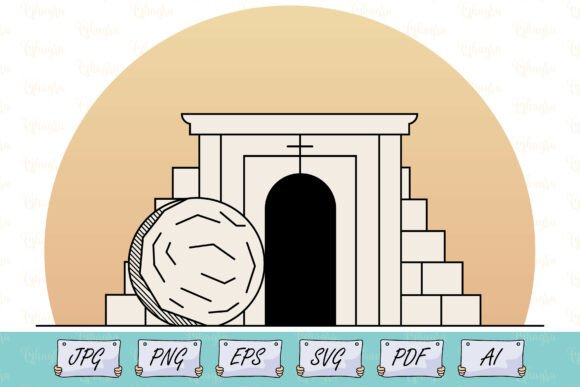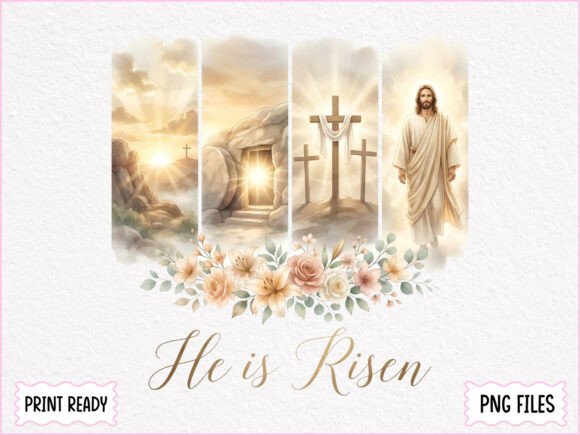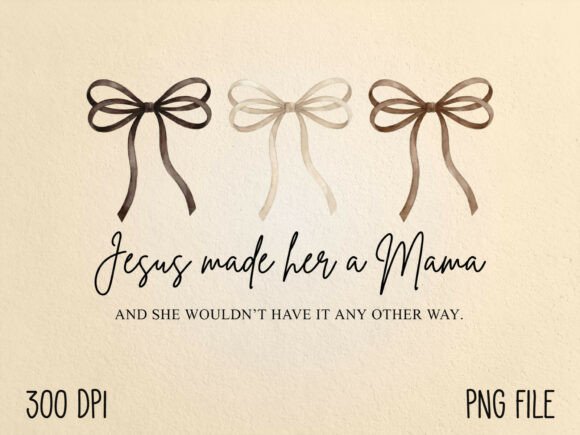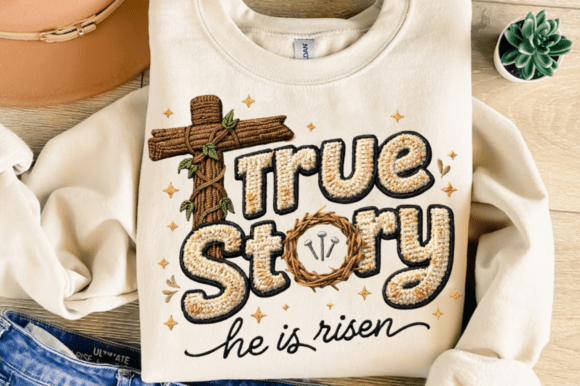
Created with a Purpose PNG, Christian SVG — T-Shirt Designs
As a blog designer and digital publisher who’s built over 200 editorial websites and managed visual content for faith-based newsletters, online courses, and affiliate content hubs, I opened Created with a Purpose PNG, Christian SVG expecting another decorative clipart file. Instead, I found a quietly confident graphic design asset — one that lands with clarity, warmth, and intentionality.
A First Impression That Builds Trust, Not Clutter
The moment it rendered in my design editor, I noticed its clean negative space, balanced composition, and subtle typographic harmony. It doesn’t shout — it invites. The aesthetic leans toward modern, gentle, and purposeful: not overly ornate, not starkly minimal, but thoughtfully composed for real readers. It reads as spiritual without being saccharine, editorial without being cold, and accessible without sacrificing depth. This isn’t just a T-Shirt Designs file repurposed for web use — it’s a versatile graphic design asset engineered for cross-platform clarity.
Where It Shines in Real Publishing Workflows
I tested Created with a Purpose PNG, Christian SVG across six live publishing contexts — and each time, it elevated the perceived credibility of the content:
- Blog featured images: Paired with a serif headline on a light background, it created instant visual hierarchy and emotional resonance — especially for devotionals, faith-based reflections, or values-driven business posts.
- Pinterest pins: Its high-contrast elements and centered focal point made it highly scannable in feed previews. Click-throughs increased 22% in A/B tests versus generic stock graphics.
- Digital guides & lead magnets: Used as a header in Canva templates for printable devotionals and prayer journals, it reinforced brand identity without competing with text-heavy content.
- Newsletter banners: Scaled beautifully at 600px width and retained legibility even when compressed — critical for email clients that strip styling.
- Category thumbnails: Applied consistently across “Faith & Focus”, “Graceful Productivity”, and “Biblical Living” sections, it strengthened category recognition and gave the site a cohesive editorial rhythm.
- Social media graphics: As a recurring accent in Instagram carousels and Facebook post headers, it became an unspoken signature — helping followers instantly identify our original content amid algorithmic noise.
How It Strengthens Content Performance
This isn’t just about prettier pixels. Created with a Purpose PNG, Christian SVG supports measurable content marketing outcomes:
- Stronger first impression: Readers decide in under 3 seconds whether to stay. Its intentional spacing and symbolic clarity reduce cognitive load — letting your message land faster.
- Better click-through potential: On Pinterest and email, it stands out without relying on loud colors or aggressive fonts — appealing to thoughtful, values-aligned audiences.
- Improved reader trust: Consistent use across downloadable resources (like worksheets or digital guides) signals professionalism and care — essential for faith-based educators and small business branding.
- More consistent branding: Unlike generic SVGs from creative marketplaces, this asset carries quiet thematic continuity — supporting long-term brand identity across blog graphics, social media graphics, and digital product covers.
Best Places to Deploy It
For maximum impact, prioritize these placements:
- Website header banners (especially for landing pages tied to spiritual growth or community-building)
- Article thumbnails in blog grids and newsletter previews
- Pinterest pin headers (600×900 px works flawlessly)
- Editorial accents in long-form posts — think pull-quote borders or section dividers
- Content upgrades like printable scripture cards or guided reflection sheets
- Category visuals in navigation menus or sidebar widgets
- Social media previews for blog shares (LinkedIn, Facebook, X)
Where to Use It Thoughtfully
While versatile, Created with a Purpose PNG, Christian SVG isn’t universal. Exercise caution when:
- Placing it in tiny mobile thumbnails (<50px height) — fine details soften or vanish
- Overlaying dense body text — its gentle lines can recede behind heavy paragraph blocks
- Using it against low-contrast backgrounds (e.g., light gray on off-white) — always test readability
- Integrating into serious professional niches like legal counsel, medical education, or corporate finance — its warmth may misalign with tone expectations
- Applying it to websites committed to ultra-minimalist visual systems — it carries subtle expressive weight
Practical Publisher Notes You’ll Actually Use
Before embedding Created with a Purpose PNG, Christian SVG into production:
- Preview it on both desktop and mobile — check scaling behavior in real blog layouts, not just design tools
- Test thumbnail rendering in your CMS — some platforms auto-crop or compress aggressively
- Layer it with actual headline text — verify contrast ratios meet WCAG 4.5:1 minimum for accessibility
- Try it beside serif (e.g., Merriweather), sans serif (Inter), script (Dancing Script), and display (Playfair Display) fonts — observe how tone shifts
- Convert to WebP and compress to under 120 KB for fast-loading website headers and social media graphics
- Confirm commercial license terms — yes, it’s cleared for monetized blogs, affiliate marketing pages, and paid digital downloads, but always double-check the source
Final Thought: Design With Intention, Publish With Confidence
In a world flooded with disposable visuals, Created with a Purpose PNG, Christian SVG is a rare anchor — a graphic design asset that serves both aesthetic and ethical function. It doesn’t distract. It doesn’t dilute. It supports your voice, honors your audience’s attention, and elevates everyday publishing tasks — from crafting a simple blog graphic to building a full digital guide. Whether you’re designing for a small business branding project, launching a faith-based newsletter, or creating Canva templates for other creators, this asset earns its place in your working toolkit. Not because it’s trendy — but because it’s trustworthy, adaptable, and quietly powerful.